

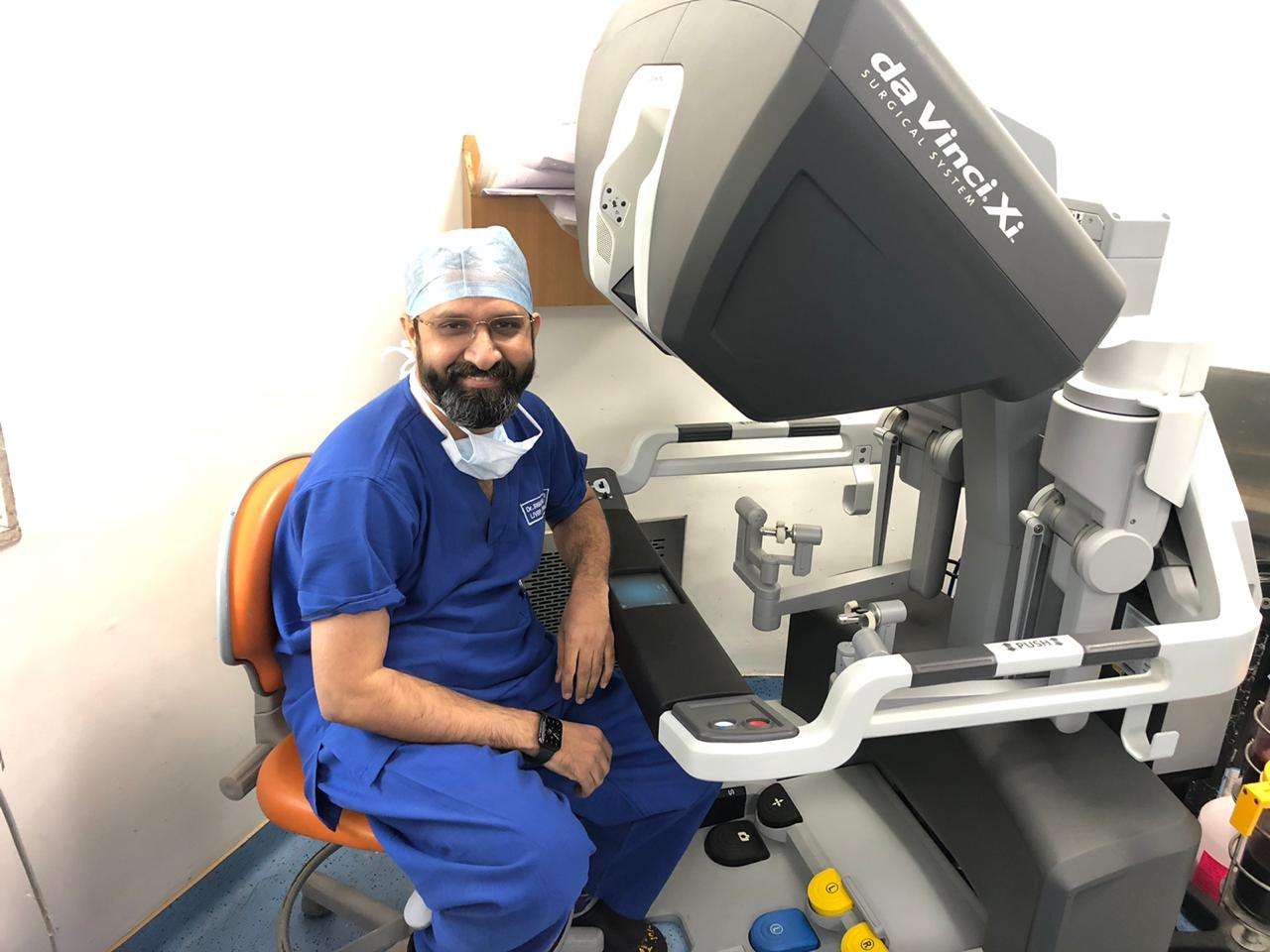
Dr Swapnil Sharma: Liver Transplant Surgeon in Mumbai
Dr. Swapnil Sharma is a Consultant HPB & Liver Transplant with over 16 years of experience. He is associated with Wockhardt Hospitals, Mumbai Central, Mumbai. Dr. Swapnil Sharma is a liver specialist in Mumbai with Specialization in liver transplant, complex liver, pancreas, gall bladder and gastrointestinal surgery (GI surgery).
Dr. Swapnil has done his graduation and his Masters in General Surgery (MS) from Pt JNM Government Medical College, Raipur (CG).Subsequently, he has worked as a Senior Resident in All India Institute of Medical Sciences (AIIMS), New Delhi and GB Pant Hospital, New Delhi before joining the DNB super-specialty training program in GI Surgery at Jagjivan Ram Western Railway (JRWR) Hospital, Mumbai. He trained under renowned GI surgeon Dr. P J Haldar in JRWR hospital.
Read MoreArea of Care

Liver Transplant
Surgery to remove a diseased liver and replace it with a healthy liver is known as Liver Transplantation.

Acute Liver Failure (ALF)
Acute liver failure (ALF) is a serious condition requiring intensive monitoring and urgent specialist care.

Chronic liver Disease (CLD)
Chronic liver failure develops more slowly than acute liver failure. It can take months or even years before you exhibit any symptoms.

Living Donor Liver Transplant
A living-donor liver transplant is a surgical procedure in which a portion of the liver from a healthy living person is removed and implanted into someone’s belly whose liver is no longer working properly.

Deceased Donor Liver Transplant
In deceased donor liver transplants, the donor may be a victim of an accident or head injury. Their heart is still beating, but their brain has stopped working so they’re considered legally brain dead.

Pediatric Liver Transplant
Your child needs a full evaluation before he/she can be placed on the transplant waiting list. The team will do many tests, including

Dual Organ Transplantation
Some patients benefit from having a combined or “dual” organ transplant, meaning they receive a new liver and another new organ during the same surgical procedure.

Hepatitis
Hepatitis in easy terms is inflammation or swelling of the liver. These results in injury/loss of liver cells or hepatocytes.
Get in Touch
Tell us about your problems and we'll figure out the best treatment option for you
About Dr. Swapnil Sharma
Dr.Swapnil is a consultant HPB & Liver Transplant with overs 16 years of experience. He is associated with Wockhardt Hospitals, Mumbai Central, Mumbai.
Experience : 16 Years
Qualification : MBBS, MS General Surgery, DNB - Surgical Gastroenterology, Fellowship in Liver Transplant & HPB Surgery
Membership : International Liver Transplant Society(ILTS), Liver Transplant Society of India(LTSI)
Services are accessible Pan India
Book an Appointment
Our Specialities
Liver Cancer Surgery
Liver is the biggest glandular organ in the body and plays many important roles to keep the body clear of viruses and dangerous substances. It’s located in the right upper quadrant of the stomach, right below the ribs.
Hepatectomy
Hepatectomy or liver resection is surgical removal of complete or part of liver. Complete liver removal is performed when patient undergoes liver transplantation. Partial liver resection is performed for various types of liver cancers like HCC, cholangiocarcinoma and gall bladder cancer. Also performed for liver donor surgery.
There are various types of partial liver resection like right hepatectomy, left hepatectomy, left lateral segmentectomy, wedge resection of liver etc.
Pancreatic Cancer Surgery
Pancreatic Cancer is cancer which starts in the organ behind the lower part of the stomach (pancreas gland located deep in the abdomen, between the stomach and the spine). It begins when abnormal cells in the pancreas grow and divide out of control and form a tumor. Pancreas helps to make enzymes for digestion and hormones which could control blood sugar levels.
Gallbladder Cancer
The gallbladder is a little, pear-shaped organ below the liver. Both the liver and the gallbladder are behind the right lower ribs. In adults, the gallbladder is usually about 3 to 4 inches long and normally no wider than an inch. Dr. Swapnil Sharma is Gallbladder Cancer Surgeon in Mumbai. He does all types of Gall bladder Cancer surgery.
Stomach Cancer Surgery
Stomach cancer is also known as gastric cancer. It is build up of abnormal cells that form a mass in part of the stomach. Stomach cancer usually begins in the mucus-producing cells that line the stomach. This type of cancer is called adenocarcinoma. Dr. Swapnil Sharma does all types of Gastric Cancer Surgery in Mumbai.
Colon Cancer Surgery
Colon cancer and rectal cancer are grouped together and called colorectal cancer. Colon cancer begins with the growth of pre-cancerous polyps from the wall of the colon and rectum. Dr. Swapnil Sharma is Colorectal Cancer surgeon practicing in Mumbai.
These cancers can also be called colon cancer or rectal cancer, depending on where they start. Colon cancer and rectal cancer are normally grouped because they have many things in common. Colon cancers are one of the most usual type of cancers in India.
OPD Locations
Mumbai Central
14th floor, Wockhardt Hospitals Agripada, Dr Anandrao Nair Marg, Mumbai Central, Mumbai, Maharashtra 400011
Chhattisgarh
Suyash Hospital, Gudhiyari Main Rd, near Avinash lifestyle tower, Kota, Raipur, Chhattisgarh 492001
Case Studies
Explore real surgical cases showcasing advanced liver treatments and successful patient outcomes.
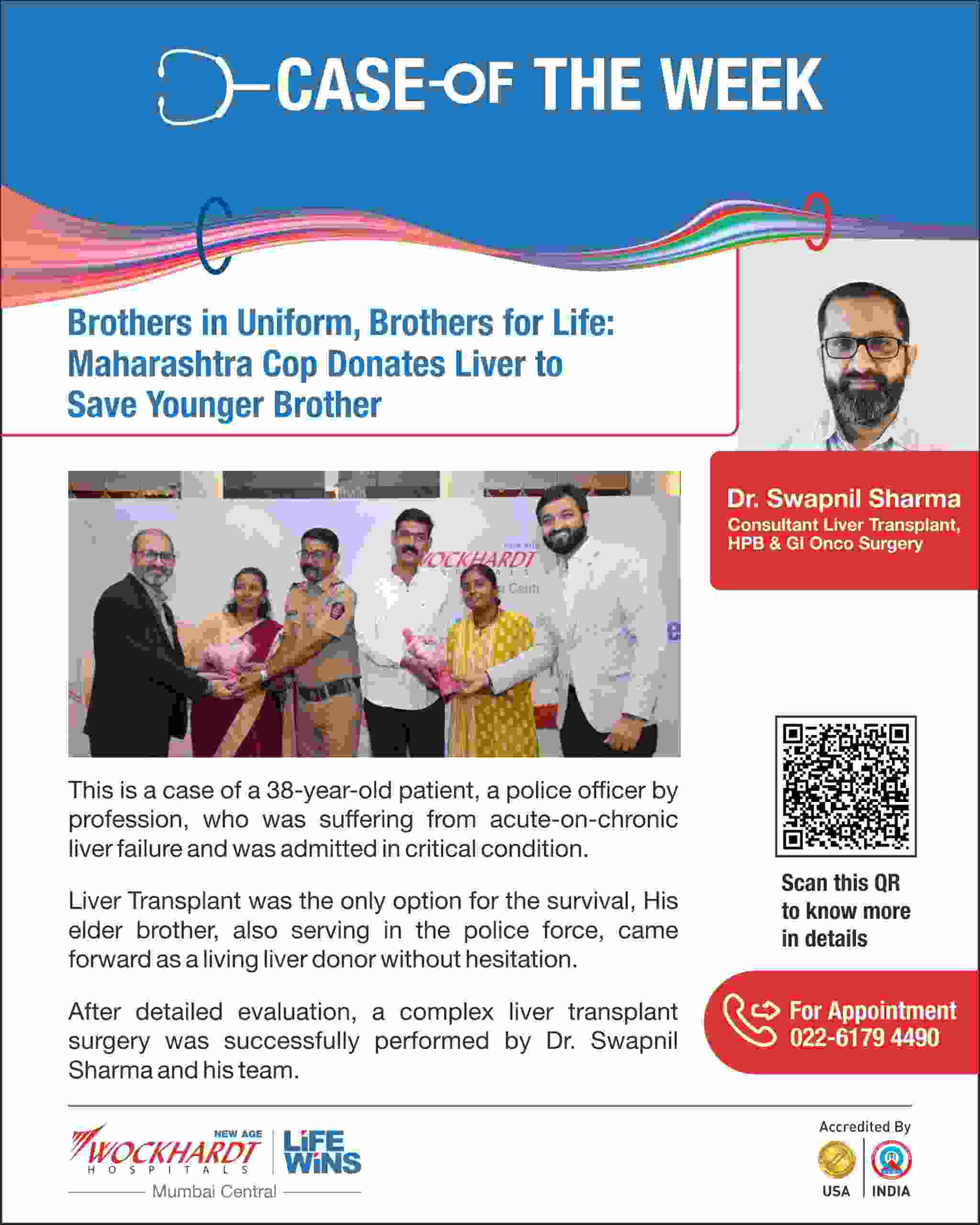
Brothers In Uniform, Brother For Life
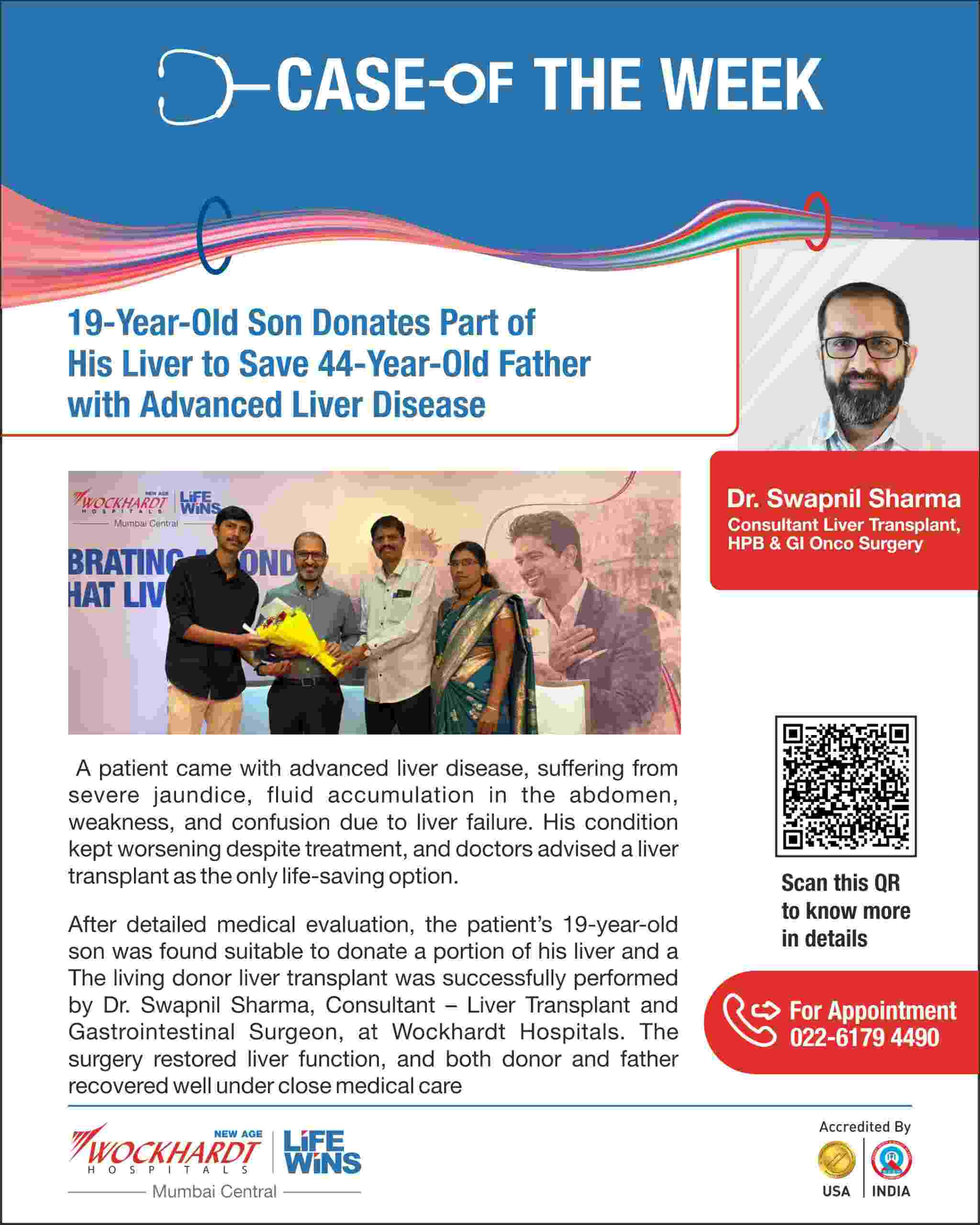
19 Year Old Son Donates His Liver To Save Father.
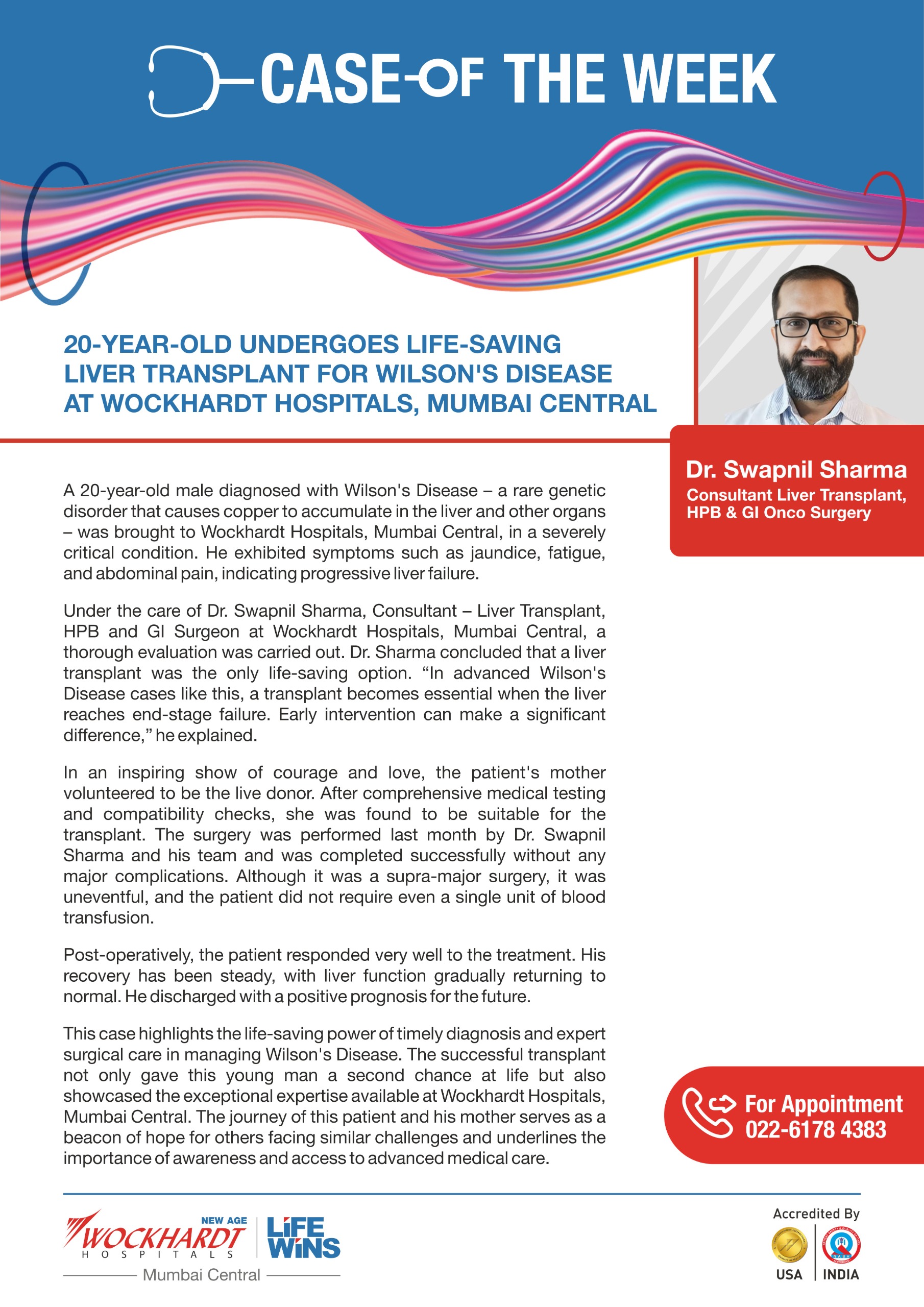
20 Year's Old Undergoes Life Saving liver Transplant
News in Media


Past and Present affiliation


Testimonials

Sridhar Subramaniam
A very humble professional who is dedicated to serving his patients with utmost care. Dr Swapnil Sharma is always approachable and ensures the best possible solution is provided to the patient.

Vinit Kumar
I want to take a minute to thank Dr. Swapnil Sharma. He is a wonderful doctor and was genuinely concerned. He was very reassuring and took plenty of time to explain what we were dealing with. (Experienced when I took my father-in-law to Fortis due to liver issues).

Manisha Chavan
A very kind and best surgeon in Mumbai.Helping n caring nature.when he is there..nothing to worry about anything...Thanx for taking care of my father.He is living a very normal life now...Dr. Swapnil is always there to answer your all questions. Down to earth....God bless u and ur work..

Sarab Dyal Singh
My dad was treated at FORTIS MULUND for Liver surgery and did not face any challenge with respect to the treatment. The diagnosis was timely done and complete care was provided post surgery , yesterday my dad completed one year of liver transplant . I am thankful to Dr. Swapnil Sharma and his excellent team. They are saving so many lives each day.

Petrina pinto
The true essence of how a doctor should really be. Patient and considerate. Understanding and doing the best for a patient's needs. Providing the best treatment option possible and explaining about the treatment plan in detail so that patient can clearly see the possible course of treatment. Im grateful to Dr. Swapnil Sharma for being my father's doctor.

Gopalakrishnan K
Not only a capable and discerning Doctor but also a genuine and authentic human being. During these days of commercialization, you find a human touch in his total approach. Hope,he moves from success to success bringing succor to more and more. Providence will strengthen his expertise.
Carine Chiffonne
Dr Swapnil Sharma is not only the best surgeon, he is also a great wonderful human being.
We will always be grateful to this great man and his team . He has make a great surgery for us and he was always present day and night . Very professional, a good listener and very helpful, a good adviser and we can trust him .
Thank you for all Dr.Swapnil Sharma and team . God bless you
vinay vishwakarma
5 are not enough Stars.
I have been associated with Dr. Swapnil Sharma for past 3 years when he saved my sister's life with a liver transplant. It was a critical operation with her life at stake. He played a crucial role in the operation and post operation recovery and guidnace.
He is a pleasant person and a wonderful doctor. What i like about him the most is his respinsiveness and availability for your critical queries almost round the clock.
I am lucky to have him as my consulting doctor.
Faqs
No. Many patients with cirrhosis can be managed with medication, treatment of the underlying cause and regular monitoring. Transplantation may be considered in selected patients with advanced liver disease, liver failure or certain liver cancers. Eligibility requires a comprehensive specialist assessment.
In a living-donor liver transplant, an eligible living donor can donate a portion of their liver. Both the donor and recipient must undergo detailed medical and psychological evaluation, and the procedure must meet applicable legal and ethical requirements. Donor suitability cannot be determined from blood group alone.
Bring previous blood test results, liver function tests, ultrasound or CT/MRI scans and reports, biopsy results if available, a list of current medications and relevant medical records. These documents help the treating specialist understand your condition and decide whether further investigations are needed.
Recovery varies according to the patient's health, the complexity of the operation and any complications. Hospital recovery is followed by ongoing outpatient monitoring, medication adjustments and gradual return to daily activities. The transplant team provides an individualized recovery plan.
Many liver transplant recipients return to work, family activities and an active daily life. Outcomes vary, and recipients need lifelong medical follow-up, prescribed immunosuppressant medication and monitoring for complications. Individual recovery depends on overall health and the success of the transplant.
Immunosuppressant medicines reduce the risk of the immune system attacking the transplanted liver. Patients generally need these medicines long term, along with regular monitoring. Never stop or change transplant medication without instructions from the treating transplant team.